13 Jul 2026
Balancing Probability Thresholds in Multi-Game Portfolios for Prolonged Engagement Periods
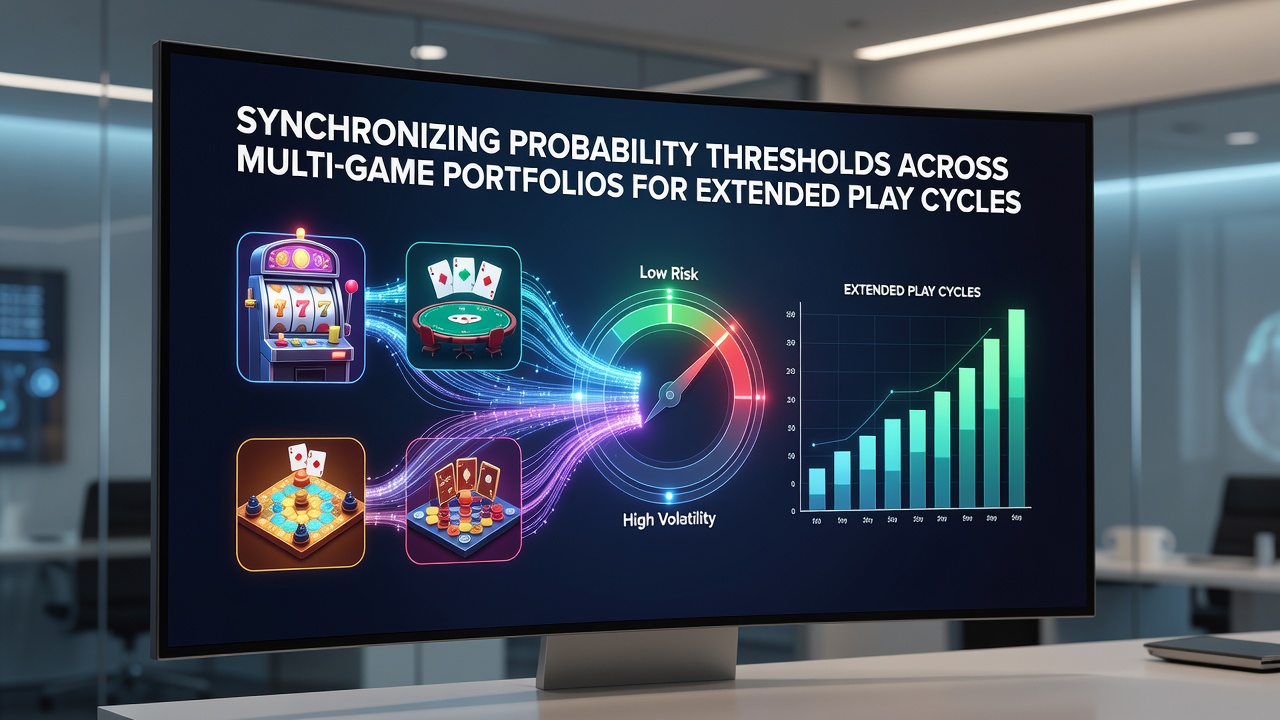
Operators and analysts track probability thresholds across varied gaming options to maintain consistent session lengths, and this approach connects return-to-player percentages with volatility indexes in slots, table games, and other offerings. Data from regulatory filings show that aligning these metrics allows portfolios to support extended play cycles without rapid bankroll depletion, while studies on game mathematics reveal how thresholds interact when players move between different titles during a single visit.
Core Elements of Probability Threshold Alignment
Return-to-player figures represent the long-term expected payout percentage for each game, and synchronizing these across a portfolio requires matching low-volatility slots with higher-edge table games to create balanced risk exposure. Analysts adjust thresholds so that a 96 percent RTP slot pairs with blackjack variants holding house edges near 1 percent, which creates smoother outcome distributions over hundreds of spins or hands. Research indicates that such pairings reduce the frequency of extreme swings, and figures from industry reports confirm that players encounter fewer abrupt session endings when thresholds stay coordinated.
Volatility measures add another layer, because high-volatility games deliver infrequent but larger wins while low-volatility titles produce steadier smaller returns. Portfolio managers set probability thresholds that account for both, using statistical models to predict combined drawdown rates across multiple games. When thresholds align properly, the overall variance stays within predictable bands, and this stability supports longer engagement periods even as individual game results fluctuate.
Practical Application Across Game Types
Slots with staggered RTP bands form the base of many portfolios, and operators layer in roulette and blackjack options where probability thresholds match the slot volatility profile. A player might begin with medium-volatility slots at 95.5 percent RTP, then shift to blackjack tables where basic strategy reduces the house edge to under 0.5 percent, keeping the combined threshold consistent. Case examples from gaming floor data demonstrate that these transitions maintain session duration targets when thresholds receive regular recalibration based on current game mix.
Sports betting markets introduce additional variables because odds change with external events, and threshold synchronization here involves setting entry points that complement the fixed RTP of machine games. Managers monitor live odds feeds alongside slot performance metrics, adjusting wager sizes so that probability exposure remains level across the portfolio. Reports from North American gaming commissions highlight how integrated systems track these variables in real time, allowing adjustments that extend overall play cycles during peak hours.
Regulatory Context and Timeline Considerations
Standards for game approval continue to evolve, and jurisdictions have signaled updates that will affect probability calculations for certain machine types starting in July 2026. These changes focus on transparency requirements for threshold reporting, which will require operators to document how RTP and volatility figures align across multi-game offerings. Compliance teams already test portfolio models against proposed rules, ensuring that synchronized thresholds meet new documentation standards without disrupting existing session length metrics.
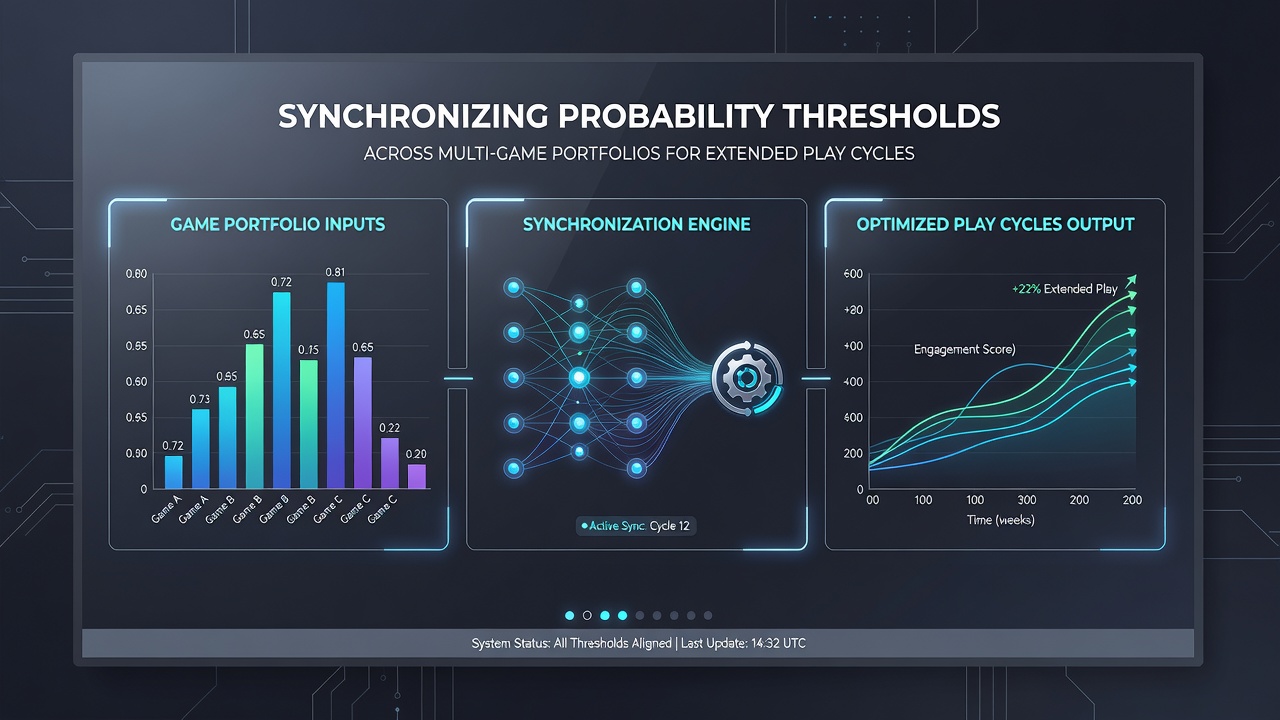
Canadian provincial regulators and Australian state authorities have published parallel guidance on portfolio-level probability management, and these documents emphasize the need for consistent threshold application when games from different categories share the same player session. Academic papers from university gaming research centers further examine how threshold synchronization influences player behavior patterns over extended periods, providing quantitative models that operators reference during portfolio design.
Measurement and Adjustment Processes
Continuous monitoring tools collect outcome data from each game in the portfolio, then compare actual results against preset probability thresholds. When deviations appear, analysts recalibrate wager limits or game mix to restore alignment, and this feedback loop keeps session durations within target ranges. Industry association reports note that facilities using automated threshold tracking achieve more stable play cycle lengths compared with those relying on manual reviews alone.
External factors such as player traffic patterns and promotional events also influence threshold effectiveness, because increased volume can shift observed RTP closer to theoretical values faster. Managers incorporate traffic forecasts into their synchronization models so that probability thresholds remain effective during both quiet and busy periods. Evidence from European gaming studies shows that dynamic adjustments based on real-time data maintain consistent engagement metrics even when external conditions change.
Conclusion
Synchronizing probability thresholds across multi-game portfolios involves matching RTP figures, volatility indexes, and wager parameters so that combined outcomes support extended play cycles. Regulatory developments scheduled for July 2026 will increase documentation requirements around these alignments, while data from multiple jurisdictions confirm that coordinated thresholds produce measurable stability in session lengths. Operators continue to refine measurement systems and adjustment protocols as game libraries expand and player preferences shift.