25 Jun 2026
Coordinating Bonus Structures with Athletic League Timelines in Unified Wagering Systems
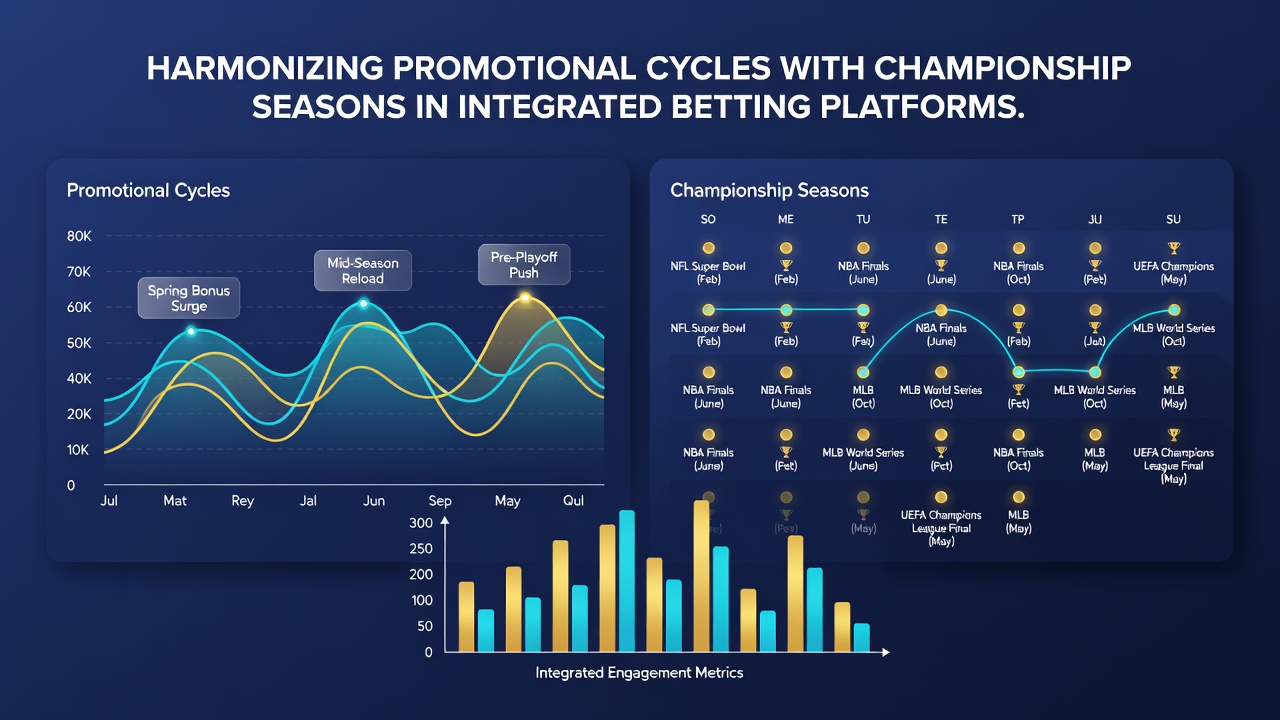
Integrated betting platforms combine sports wagering with casino offerings on single interfaces, allowing operators to align promotional cycles directly with championship seasons across multiple sports, and this coordination creates measurable patterns in user activity according to industry analyses. Operators track league calendars from leagues such as the NFL, NBA, and international soccer tournaments, then schedule deposit bonuses, free bet credits, and cashback offers to coincide with opening weeks, playoffs, and finals periods. Data from the American Gaming Association shows seasonal spikes in handle volumes often reach 30 to 40 percent above baseline during championship windows when promotions activate simultaneously with live events.
Mapping Seasonal Timelines to Platform Features
Platform teams begin by overlaying annual sports calendars onto internal marketing schedules, identifying high-traffic periods such as the Super Bowl in February or the UEFA Champions League group stages that run from September through December; they then layer casino promotions like slot tournaments or live dealer cashback onto those same dates so users encounter offers whether they select sports or table games sections. This approach reduces the need for separate campaign launches while maintaining consistent engagement across product verticals. Observers note that operators refresh these alignments each quarter because fixture releases from leagues arrive at predictable intervals, giving teams several months to prepare creative assets and bonus mechanics.
Technical Integration and User Segmentation
Backend systems pull real-time data feeds from sports governing bodies to adjust promotional parameters automatically, for instance triggering increased free spin allocations on slot titles themed around basketball when NBA playoffs begin. Segmentation tools divide users by preferred sport and past deposit behavior, delivering tailored offers such as enhanced odds boosts for frequent sports bettors while routing casino-focused players toward reload bonuses timed with the same events. Research from European Gaming and Betting Association reports indicates that platforms using unified customer data platforms achieve higher retention rates during overlapping seasons compared with siloed systems that treat sports and casino promotions independently.
Operational Adjustments Around June 2026
By June 2026 several major leagues will have completed their primary seasons while others enter off-season or pre-season phases, prompting platforms to shift emphasis toward international events such as the Copa América and early European club qualifiers. Operators plan to extend certain promotional windows into early summer months to capture residual interest from concluded championships, and they introduce hybrid offers that combine remaining sports futures bets with casino welcome packages for new registrants. These adjustments rely on historical performance data rather than speculation, allowing teams to allocate marketing budgets where previous cycles produced the strongest cross-product activity.
Regulatory Considerations Across Jurisdictions
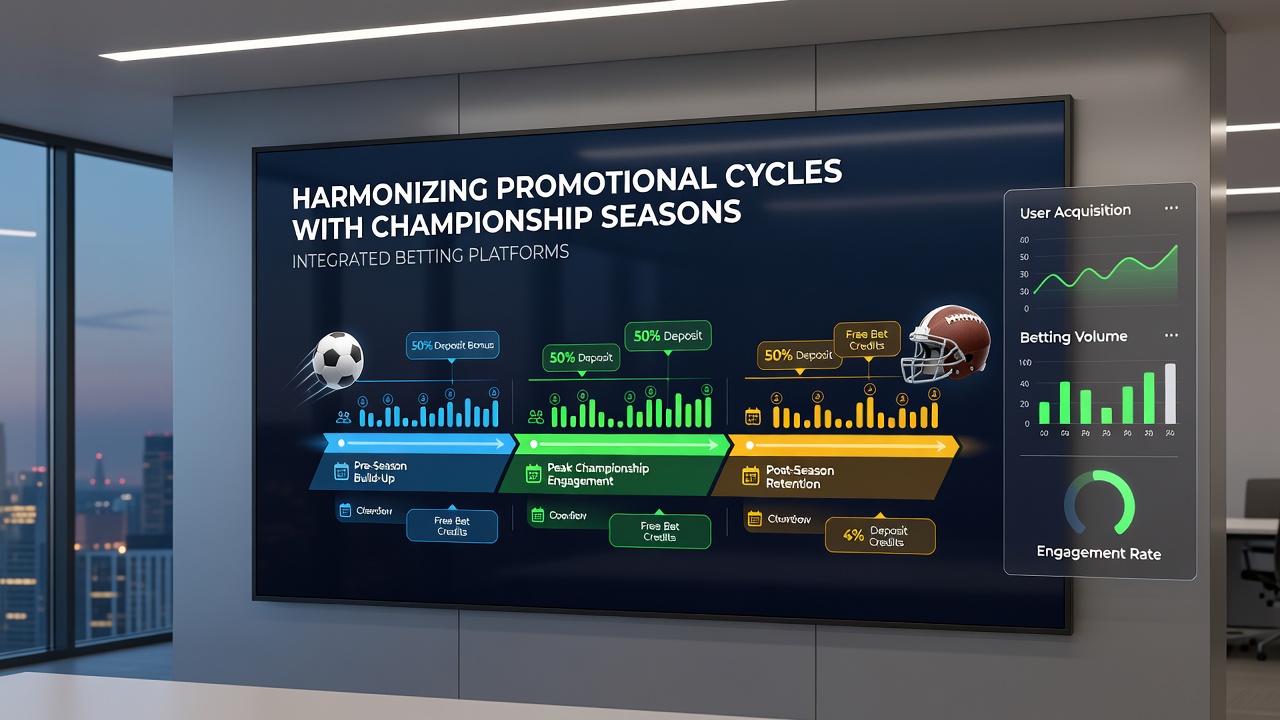
Compliance teams review advertising codes in each licensed market to ensure promotional language remains within permitted boundaries during championship periods, particularly when live odds and casino bonuses appear adjacent on the same screen. Different regions impose varying disclosure requirements for bonus terms, so platforms maintain region-specific templates that activate automatically based on user location. Figures from regulatory filings in multiple North American and European markets reveal that synchronized campaigns undergo additional scrutiny during peak seasons because higher transaction volumes increase the likelihood of compliance audits.
Measuring Outcomes and Refining Cycles
Analytics dashboards track metrics including average revenue per user, bonus redemption rates, and session duration across both sports and casino products during aligned promotional windows. Teams compare these figures against non-aligned periods to identify which bonus types generate the strongest cross-vertical movement, then adjust future cycles accordingly. One platform that tested staggered versus simultaneous launches found simultaneous activation produced a 22 percent lift in combined handle and casino turnover during the same championship window, leading to permanent adoption of the coordinated model.
Conclusion
Integrated platforms continue refining the synchronization of promotional calendars with championship seasons through data-driven scheduling, automated segmentation, and jurisdiction-specific compliance checks. These practices produce documented increases in user activity across product categories while operators prepare for shifting league timelines such as those emerging around June 2026. The approach relies on established patterns in historical performance data and technical integration rather than isolated campaign planning.