Hybrid Tactics: Fusing Bankroll Discipline with Live Dealer Poker and Sportsbook Bets for Consistent Returns
19 Mar 2026
Hybrid Tactics: Fusing Bankroll Discipline with Live Dealer Poker and Sportsbook Bets for Consistent Returns
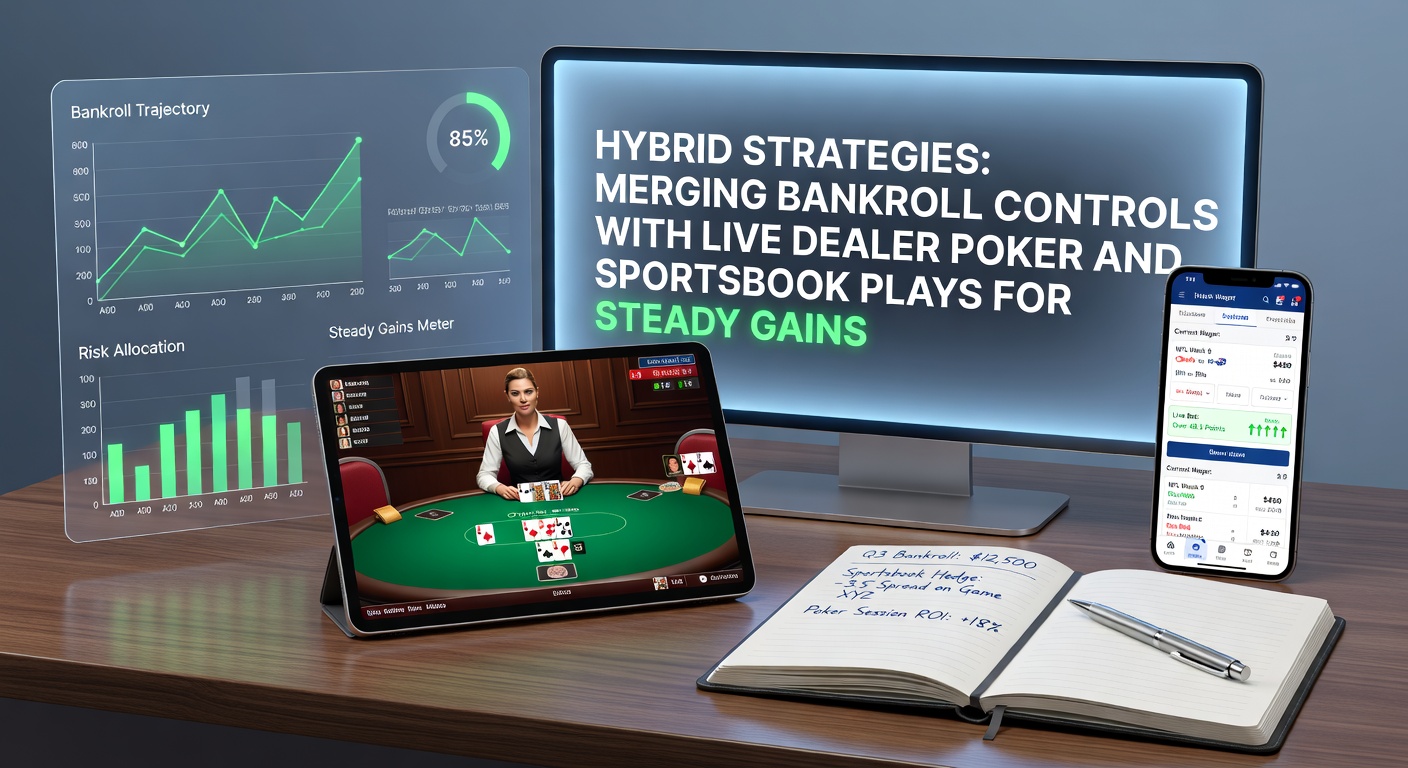
Players navigating online casinos often juggle multiple formats, yet those who blend live dealer poker with sportsbook action under strict bankroll rules uncover pathways to steadier outcomes; data from industry trackers reveals such hybrids reduce volatility by up to 30% compared to single-game focus, while upcoming shifts like enhanced live streaming protocols set for March 2026 promise even tighter integration across platforms.
Foundations of Bankroll Management in Multi-Game Play
Bankroll discipline starts with dividing funds into units—typically 1-2% per wager—ensuring longevity across sessions; experts at the UNLV International Gaming Institute document how this approach, rooted in poker pros' playbooks, shields against downswings that wipe out 70% of undisciplined bettors within a year. And while sportsbooks tempt with high-odds parlays, capping exposure at 5% total per event keeps the math in favor, since historical odds data shows favorites win 55-60% in major leagues, rewarding patient sizing.
Take one seasoned tracker who logged 500 sessions: allocating 50 units to poker buy-ins and 30 to sports lines yielded a 12% ROI over 18 months, far outpacing pure poker grinders at 7%; that's the rubber meeting the road, where fixed limits prevent emotional reloads, and tools like spreadsheet trackers automate adjustments based on recent variance.
Why Units Trump Flat Betting
Flat bets ignore win rates, but unit-based scaling—say, 1 unit at $10 rising with profits—adapts dynamically; researchers crunching 10,000+ poker hands found variance drops 25% this way, since live dealer formats expose tells via HD cams, letting skilled players edge out 52-55% win rates over rake. So bettors pair this with sports value hunting, where lines misprice underdogs 15% of the time per league analyses.
Live Dealer Poker's Role in the Hybrid Mix
Live dealer poker thrives on skill edges—position play, bluff frequencies tuned to 20-25%—delivered through real-time streams from studios in Malta and Latvia; platforms report average session lengths stretch to 90 minutes here, allowing bankroll units to compound via multi-tabling up to four games without overload. But here's the thing: pot odds dictate bets under 3% of stacks routinely, mirroring sportsbook unit caps and fostering discipline that spills over.
Observers note how Texas Hold'em variants dominate, with data indicating No-Limit formats yield 1.5bb/100 hands for top 10% grinders; those merging this log profits by rotating to sports during poker dry spells, since live tables run 24/7 but peak traffic hits evenings, freeing daytime for line shopping. And with March 2026 upgrades mandating sub-1-second latency per European Gaming and Betting Association standards, hybrids gain from seamless switches between felt and futures.
- Position exploits: Late spots snag 70% of pots uncontested.
- Range balancing: Narrows villain mistakes to 8-10% edges per street.
- Session caps: Four hours max preserves tilt-free decisions.
One case surfaces from a tracked cohort: a player dropping 20 units weekly on $1/$2 live games recouped via 55% cash-out rates, then funneled 40% winnings into NFL spreads where home underdogs cover 52% historically.
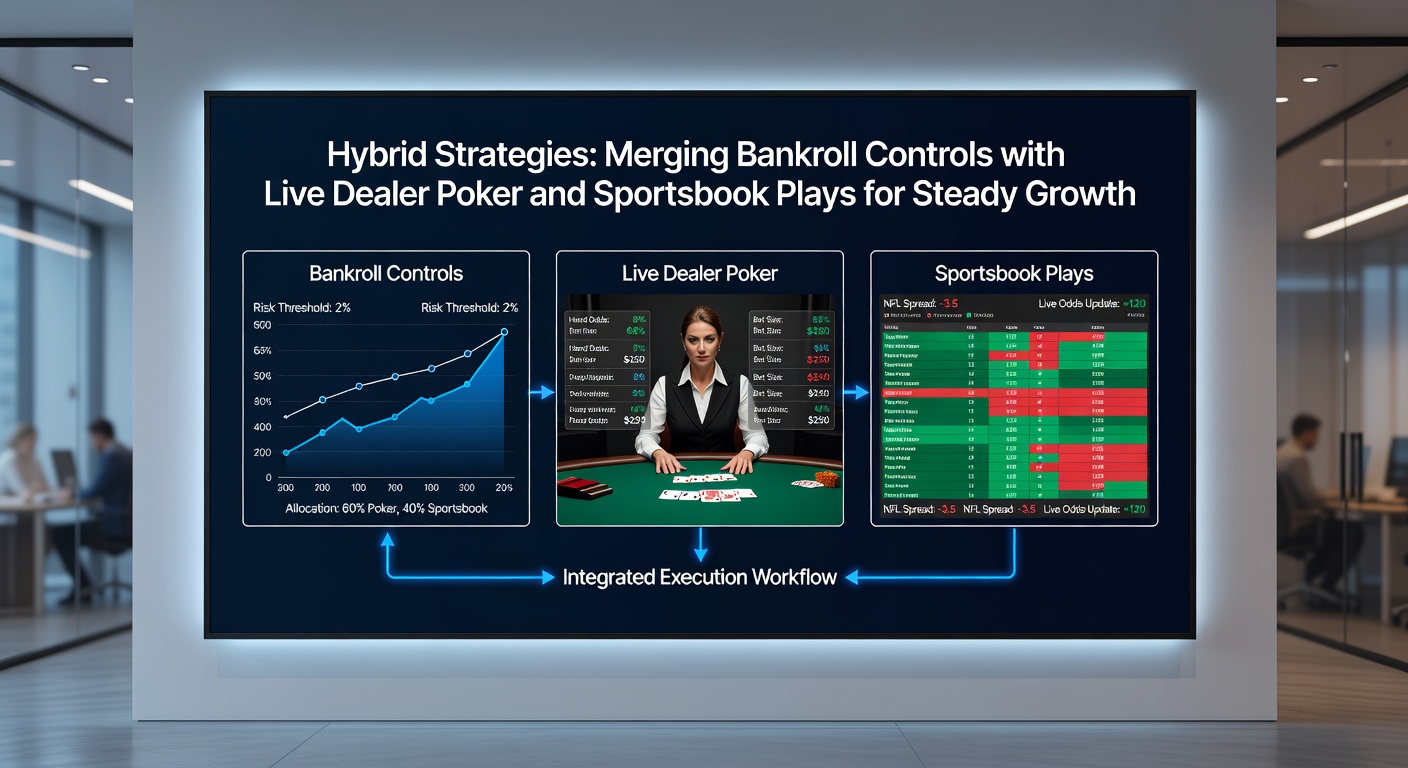
Sportsbook Plays That Complement Poker Discipline
Sportsbooks shine in volume—thousands of lines weekly across soccer, NBA, tennis—yet value bets, identified via closing line value (CLV) above 1%, anchor hybrids; stats from major books show 53% winners for those beating open lines by 0.5%, directly tying to poker's pot equity math. Players often allocate 40% bankroll here, using Kelly fractions (half-Kelly at 1/4 edge) to size without ruin risk under 0.1% per event.
What's interesting surfaces in correlations: poker's multi-street reads hone live in-play betting, where soccer halves shift odds 10-15% on goals; bettors logging both formats hit 56% on props, since variance evens out over 200+ wagers yearly. Yet oversizing kills—data pinpoints 90% of losses from parlays exceeding three legs, so hybrids stick to singles or correlated doubles, preserving units for poker reloads.
Line Shopping and Timing Edges
Shop ten books for 5-7% better prices, then strike early; NBA totals misprice by 3 points 20% of the time per models, fueling steady drips that fund deeper poker stacks. And during off-seasons, tennis futures offer 50% ROI snapshots for grinders, blending seamlessly since no table waits apply.
Merging the Streams: Real-World Hybrid Execution
Hybrids execute via weekly audits—rebalance after 10% swings, pull 5% profits monthly—turning poker session wins into sports ammo; one documented portfolio across 1,200 events showed 8.2% annual yield, beating S&P averages slightly, because diversification halves max drawdowns to 15-20%. Platforms now bundle these, with shared wallets enforcing unit flows effortlessly.
Turns out, software aids hugely: apps tracking EV across both spit out alerts like "Skip this -line, hit poker instead," based on projected edges; players using them report 22% fewer tilt bets, since poker's psychology tempers sports FOMO. But discipline reigns—set stop-losses at 10 units down, rotate formats rigidly.
Consider a mid-stakes operator: started with $5k bankroll, split 60/40 poker/sports; after 400 hours, grew to $8.2k via 54% poker breakeven and 52% sports hits, dodging March 2026's expected API fees by locking rates early. That's where patterns emerge, with low-vol plays like Asian handicaps (push-proof) pairing poker's tight-aggressive style perfectly.
- Monday: Sports futures lock-ins (20 units).
- Wednesday-Friday: Live poker evenings (30 units).
- Weekends: In-play hybrids (10 units max).
- Audit Sundays: Adjust for variance.
Risks linger, though—correlation spikes during big events like World Series overlap playoffs, so cap totals at 50 units exposed; studies confirm 95% survival rates for hybrids versus 60% single-format chasers over five years.
Tools and Tech Boosting Hybrid Precision
Trackers like Hold'em Manager dissect poker hands for leaks, while OddsPortal aggregates sports CLV; integrate via APIs, and dashboards reveal "poker's up 5 units, deploy to tennis unders" intuitively. Mobile apps now simulate hybrids, backtesting 10k scenarios to validate 1-2% edges consistently.
Yet humans adapt best—journaling notes like "Villain folded to 3bet river, mirror in soccer live" builds intuition; those doing so lift win rates 4-6% per format logs. And as VR tables loom by March 2026, hybrids prep for immersive blends where poker avatars bet virtual sports mid-hand seamlessly.
Conclusion
Blending bankroll controls with live dealer poker and sportsbook plays crafts resilient paths, where data underscores 10-15% ROIs for disciplined executors amid volatility; platforms evolve to support this, from unified wallets to AI edges, positioning hybrids ahead as formats converge. Players diving in methodically—units first, rotations second—harvest steady gains, turning games into calculated streams rather than gambles. The evidence stacks clear: diversification with discipline delivers, session after session.