22 Aug 2026
Integrating Notification Protocols for Limit Exceedances in Digital Reel Mechanisms and Event-Based Wagering
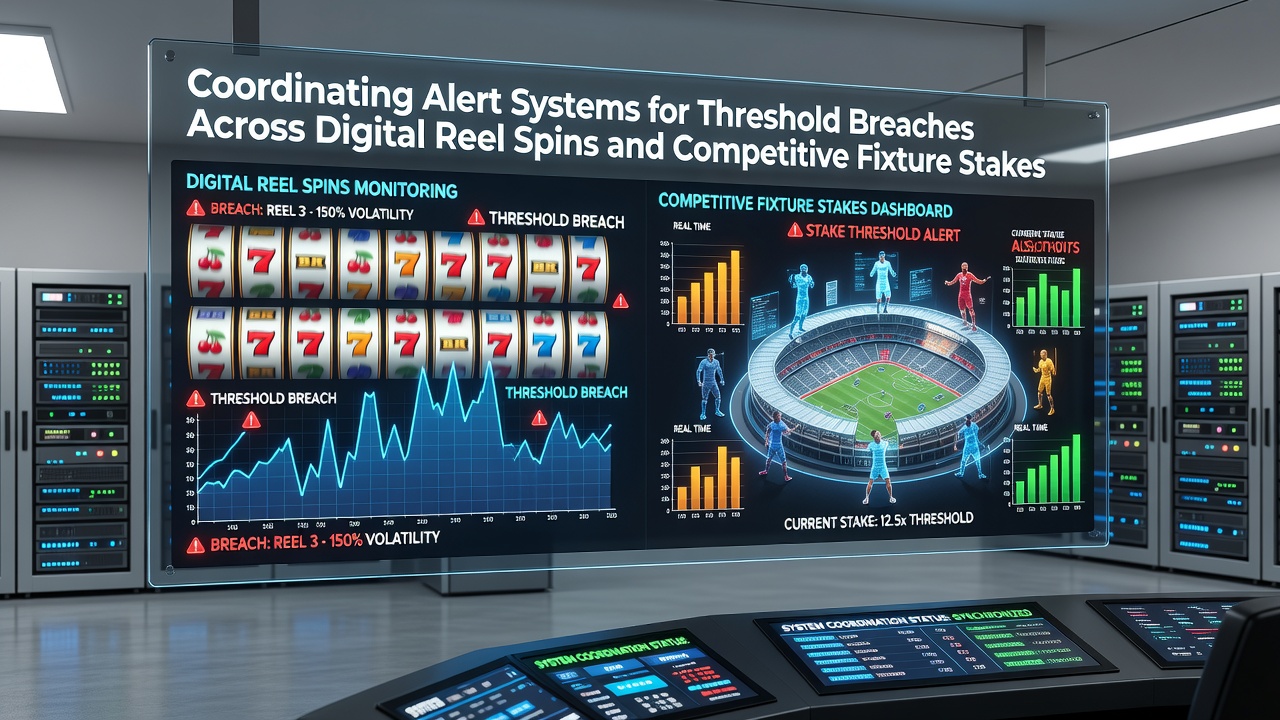
Operators in regulated markets have developed coordinated alert systems that monitor threshold breaches across digital reel spins and competitive fixture stakes, with data pipelines connecting real-time session tracking to centralized risk engines. These frameworks pull inputs from slot volatility meters and live odds feeds, then route notifications through SMS, app pushes, and account dashboards when predefined loss or deposit ceilings are crossed. Research from the University of Nevada's International Gaming Institute indicates that unified protocols reduce response delays by merging separate data streams into single decision trees.
Core Components of Cross-Vertical Monitoring
Slot systems record reel outcomes and stake amounts per spin while sports platforms log fixture wagers and cumulative exposure, yet both feed into shared databases that apply uniform threshold rules. When a player hits a daily loss limit during a sequence of high-volatility spins, the engine simultaneously flags active sports bets on upcoming fixtures and pauses further activity until confirmation occurs. Observers note that API handshakes between these verticals operate at sub-second intervals, allowing alerts to trigger before the next spin or bet placement completes.
Technical Synchronization Methods
Data architects employ event-driven architectures where each reel outcome or fixture stake registers as a discrete event that updates a common ledger. Threshold logic sits in a middleware layer that compares running totals against player-specific parameters, then dispatches alerts through a notification service that respects jurisdictional quiet hours. In August 2026 several North American and European platforms plan to adopt a revised ISO standard for gambling data interchange, which standardizes field formats for loss-limit fields and breach timestamps across different game types.
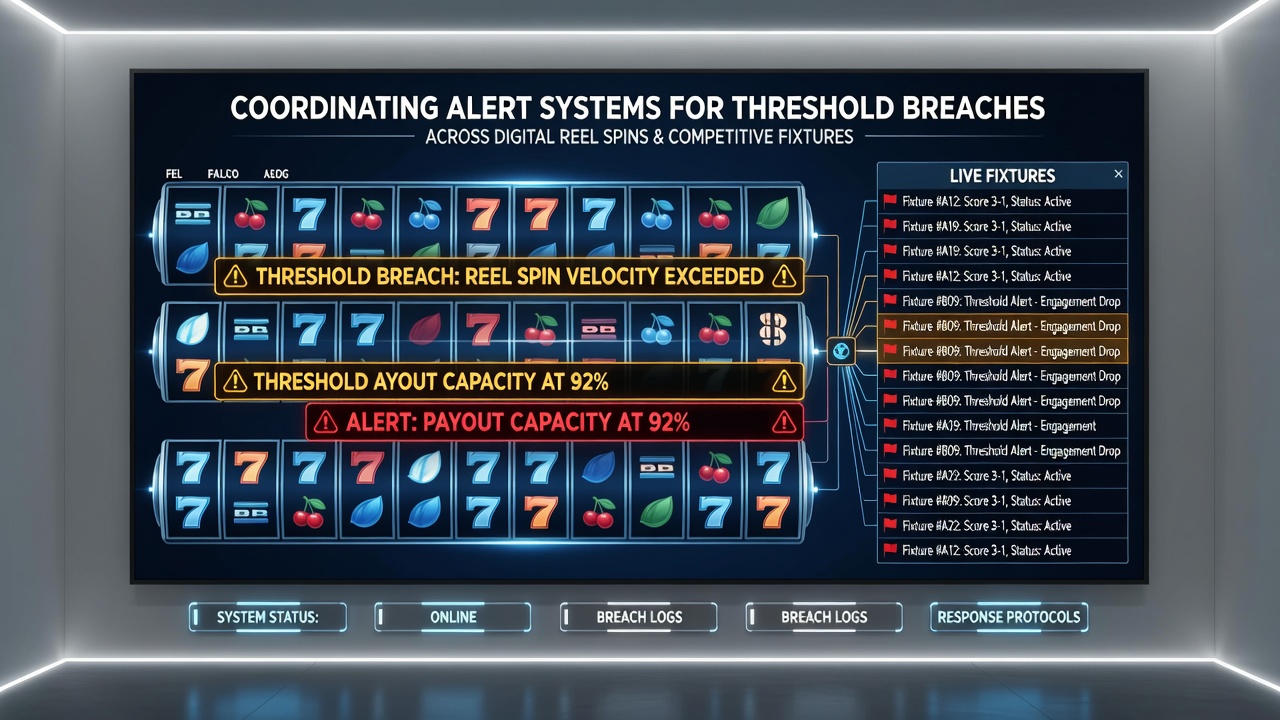
Canadian provincial regulators have required similar linkages since 2024, with figures from the Alcohol and Gaming Commission of Ontario showing that integrated alerts reached 87 percent of flagged accounts within 30 seconds. The same reports document that sports betting accounts linked to slot play exhibited faster breach detection once the systems shared session clocks and stake counters.
Regulatory Drivers in Multiple Jurisdictions
Authorities in Australia require licensed operators to maintain continuous monitoring that spans all product verticals, including pokies and sports markets. A 2025 parliamentary review found that standalone alerts for each game type left gaps when players shifted between slots and live event betting, prompting mandates for unified dashboards. European operators under the Malta Gaming Authority follow parallel guidelines that emphasize real-time data sharing between reel engines and odds platforms, with compliance audits checking that alerts halt play across both categories once any single threshold activates.
Implementation Examples from Licensed Markets
One operator in New Jersey configured its platform so that a slot loss-limit breach immediately suspends sports wager placement for the remainder of the calendar day, with the same suspension applied in reverse when a live tennis or football stake triggers the cap. Data from the New Jersey Division of Gaming Enforcement records that such dual-vertical halts occurred 14,300 times in the first quarter of 2026. Similar patterns appear in Swedish and Danish markets, where state-controlled systems already enforce cross-product alerts as a condition of licensing.
Future Adjustments Scheduled for August 2026
Platform vendors have announced updates that will embed predictive scoring models into the alert layer, allowing systems to flag probable breaches before they occur by analyzing spin frequency alongside pending fixture stakes. These models draw on historical patterns without altering the factual threshold values themselves. Regulators in multiple regions have scheduled certification reviews for the new code releases during August 2026, ensuring that the coordinated notification logic meets updated data-protection and accessibility standards.
Conclusion
Coordinated alert systems now link threshold monitoring across digital reel spins and competitive fixture stakes through shared data layers and synchronized notification channels. Figures from regulatory bodies in North America, Europe, and Australia demonstrate measurable improvements in detection speed when operators merge the two verticals into single compliance frameworks. Continued alignment with emerging technical standards will shape how these systems evolve in licensed markets worldwide.