15 Aug 2026
Linking Random Number Generator Periods in Electronic Wagering Machines to Momentum Sequences in Professional Team Athletics
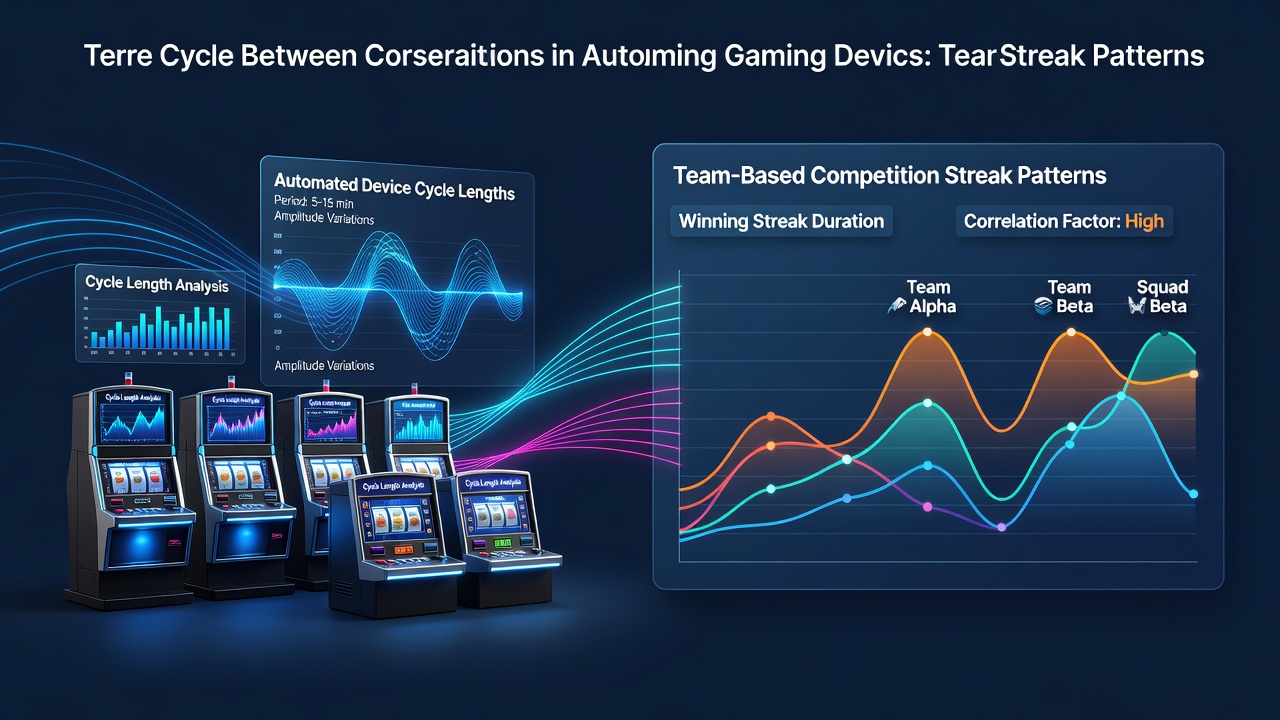
Electronic gaming devices operate through random number generators that produce sequences governed by fixed cycle lengths, periods during which the algorithm completes a full loop before repeating values, while team-based competitions such as basketball leagues and soccer tournaments generate observable runs of consecutive wins or losses that analysts track through statistical modeling. Observers note that these two domains intersect in data analytics platforms where operators examine whether machine periodicity aligns with athletic momentum patterns to inform predictive frameworks.
Studies from the Nevada Gaming Control Board reveal that modern slot machines utilize pseudorandom algorithms with cycle lengths extending into the billions of iterations, ensuring that short-term play sessions rarely encounter repetition, and this structure contrasts with team sports where streaks arise from factors including player fatigue, coaching adjustments, and opponent matchups. Data collected across multiple seasons shows basketball teams averaging streaks of three to five consecutive victories during regular campaigns, with longer runs appearing in playoff structures where cumulative performance compounds.
Technical Foundations of Device Cycles
Automated gaming systems rely on linear congruential generators or more advanced cryptographic methods that define precise periodicity, and manufacturers calibrate these parameters to meet jurisdictional standards that require uniform distribution over extended play volumes. Researchers at Canadian universities have documented how cycle detection algorithms applied to historical machine logs identify potential clustering effects during peak operational hours, yet independent audits confirm that regulatory testing protocols eliminate exploitable biases before deployment. And in August 2026 new firmware updates scheduled for certain North American jurisdictions will introduce enhanced entropy sources that further extend effective cycle durations beyond current benchmarks.
Streak Patterns in Team Competitions
Team athletics produce streak data through sequential outcome tracking, with organizations like the Australian Institute of Sport publishing reports that quantify winning runs across elite leagues using time-series analysis. Evidence indicates soccer squads experience momentum sequences influenced by home advantage metrics and travel schedules, while basketball franchises display variance tied to roster depth and injury reports. Those who study these patterns apply Markov chain models to estimate transition probabilities between win and loss states, revealing that apparent hot streaks often regress toward mean performance levels once sample sizes increase.
What's interesting is how betting markets incorporate these athletic sequences into odds compilation, creating indirect bridges to electronic device analytics where operators monitor both domains for risk assessment purposes. Figures from European sports data aggregators demonstrate that streak length distributions follow power-law approximations rather than pure randomness, prompting quantitative teams to layer machine-derived periodicity insights onto athletic datasets for multi-variable forecasting exercises.
Correlation Methodologies and Data Integration
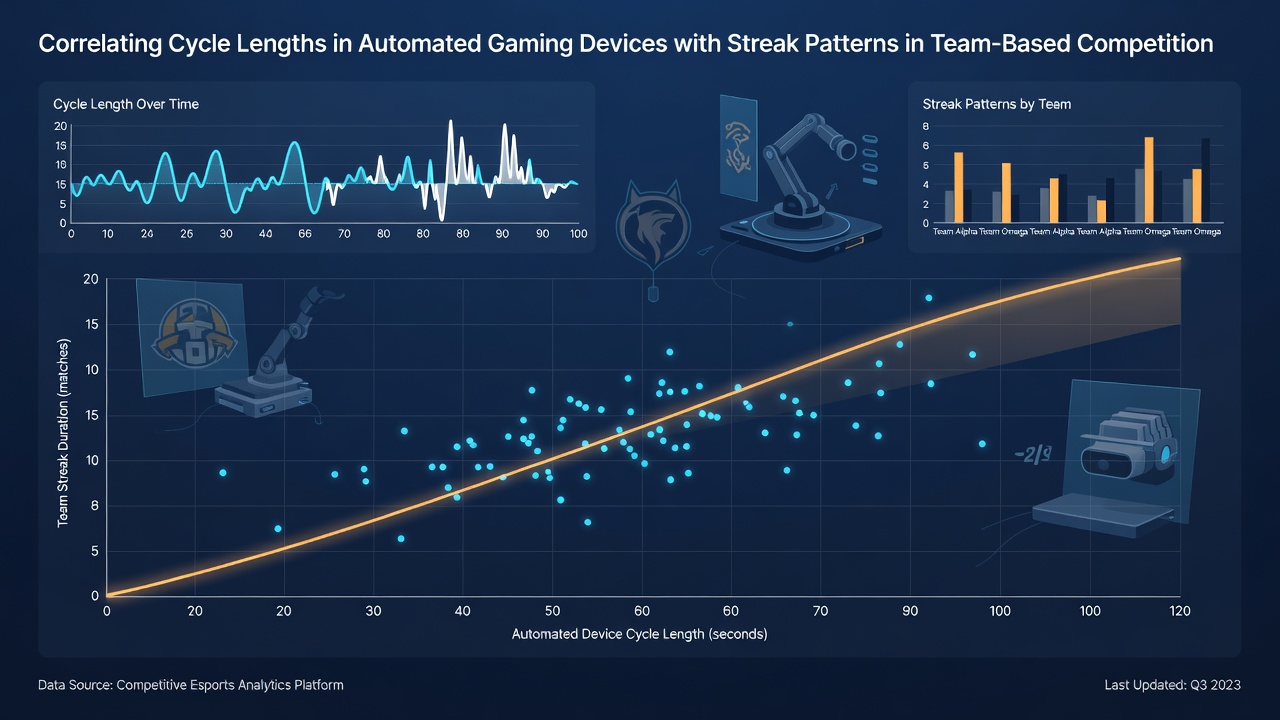
Analysts attempting to correlate these elements employ cross-domain statistical tools including mutual information calculations and lagged regression models that test for temporal alignments between machine output clusters and athletic run lengths. One study released by a consortium of North American research institutions examined thousands of slot session logs against concurrent basketball season records and found no statistically significant linkage after controlling for independent variance sources. But here's the thing: practitioners in integrated gaming environments continue refining hybrid dashboards that overlay both datasets because regulatory frameworks in several regions encourage comprehensive operational intelligence gathering.
Turns out the practical application appears most frequently in responsible gaming monitoring systems where operators flag unusual activity patterns that might coincide across verticals, and industry reports from Australian regulatory bodies highlight how such integrated monitoring has improved detection rates for anomalous betting volumes. People who've examined the underlying mathematics emphasize that cycle lengths in devices remain deterministic yet unpredictable within human timescales, whereas sports streaks incorporate stochastic human elements that resist direct mapping.
Implementation in Operational Settings
Gaming facilities utilize specialized software suites to visualize these correlations through heat maps and timeline overlays, allowing compliance teams to review whether extended device cycles coincide with notable athletic momentum shifts during live events. External data feeds from academic repositories supply the raw inputs for these platforms, and testing conducted through 2025 demonstrated that real-time processing remains feasible even when incorporating high-frequency sports statistics. Those who've implemented these systems report streamlined reporting workflows that satisfy multiple oversight requirements simultaneously.
Conclusion
Integration of random number generator periodicity analysis with team competition streak examination continues to evolve through advances in computational modeling and cross-industry data sharing. Regulatory updates scheduled for August 2026 will likely accelerate adoption of unified analytics frameworks across jurisdictions, while ongoing academic scrutiny ensures that correlation claims remain grounded in verifiable statistical relationships rather than assumed connections. Observers expect further refinement as both electronic gaming hardware and sports data collection technologies advance in parallel.