2 Jul 2026
Pattern Alignment Methods Connecting Blackjack Decision Trees to Automated Gaming Devices and Athletic Contest Lines
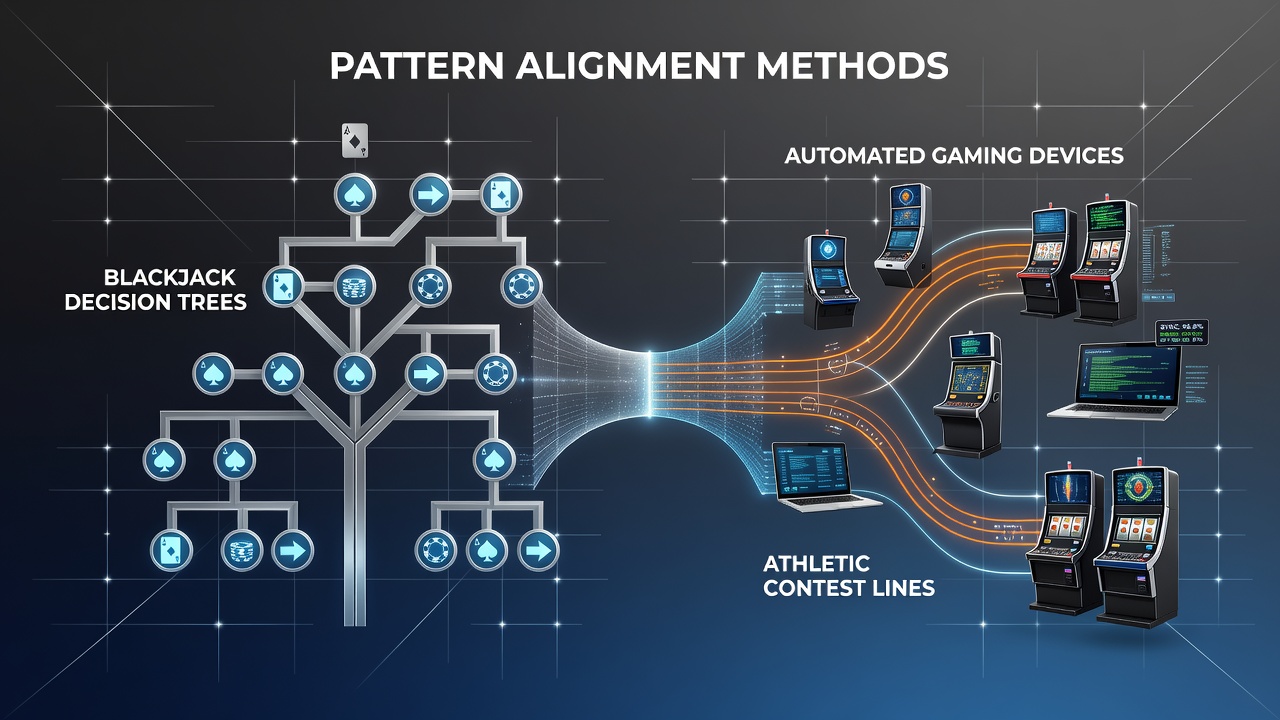
Pattern alignment methods examine how decision structures from blackjack connect with the operational logic inside automated gaming devices while also extending into the numerical frameworks that define athletic contest lines, and researchers apply statistical mapping techniques to identify shared sequences across these domains. Data from multiple studies indicate that blackjack trees rely on conditional branching based on card values and dealer upcards, creating predictable response paths that can transfer to other systems when variables align through common probability distributions.
Blackjack Decision Trees and Their Structural Components
Blackjack decision trees organize player actions into layered nodes where each branch represents a choice such as hit, stand, double, or split, and these trees draw from combinatorial analysis that accounts for remaining deck composition. Observers note that basic strategy charts emerge from exhaustive enumeration of all possible hands against dealer possibilities, producing a set of rules that minimize house edge under standard conditions. When card counting systems layer additional counts onto these trees, the patterns shift dynamically as running totals adjust the recommended actions at specific thresholds.
Integration with Automated Gaming Devices
Automated gaming devices including video poker terminals and electronic roulette stations process outcomes through random number generators that follow fixed probability cycles similar to those modeled in blackjack trees. Studies show that alignment occurs when decision pathways from blackjack are overlaid onto device payout tables, revealing correlations in expected value calculations across game types. Those who have examined machine logs find recurring sequences where optimal play branches mirror the hit-or-stand logic embedded in certain video poker variants, allowing operators to calibrate hold percentages with greater precision ahead of the regulatory updates scheduled for July 2026 that will require immediate removal of non-compliant units.
One analysis conducted by the Nevada Gaming Control Board examined device performance metrics and identified parallel branching structures between blackjack strategy nodes and slot reel weighting algorithms, demonstrating how both systems respond to input variables through sequential probability gates. This overlap permits technicians to test new configurations by adapting blackjack tree pruning methods to reduce unnecessary payout paths in automated setups.
Athletic Contest Lines and Numerical Pattern Mapping
Athletic contest lines establish point spreads, moneylines, and totals that reflect aggregated performance data, and these lines share structural similarities with blackjack trees when analysts map variance ranges and conditional outcomes. Research indicates that sports betting models often employ tree-like decision frameworks to adjust lines in response to real-time inputs such as player injuries or weather shifts, creating branching scenarios that parallel the conditional moves in card games. Figures from industry reports reveal that alignment techniques can project how a blackjack-derived variance model applies to over-under totals in team contests, producing adjusted projections that account for momentum sequences across multiple events.

Technical Methods for Cross-Domain Alignment
Alignment processes typically begin with data normalization that converts blackjack node probabilities into formats compatible with device RNG cycles and sports line differentials. Machine learning classifiers then identify matching subtrees across datasets, allowing practitioners to transfer pruning rules from one domain to another without rebuilding entire models from scratch. According to findings published by the University of Nevada Reno gaming research group, these classifiers achieve higher accuracy when they incorporate time-series elements that track how patterns evolve during extended play sessions or contest periods.
Implementation often involves simulation runs that feed blackjack decision paths into device emulators and sports line generators simultaneously, measuring divergence rates at each branch point. Results from such simulations demonstrate that certain high-frequency decision nodes in blackjack correspond directly to volatility clusters in slot mechanics and to line movement thresholds in athletic events, enabling unified monitoring dashboards that flag misalignments before they affect operational parameters.
Regulatory Context and Implementation Timelines
Updates scheduled for July 2026 will enforce stricter compliance standards on automated gaming devices across multiple jurisdictions, requiring operators to verify that internal decision algorithms maintain alignment with established probability models. Those responsible for device certification have begun testing pattern alignment protocols that draw from blackjack tree structures to document how each payout pathway satisfies new transparency requirements. This approach reduces documentation overhead while ensuring consistent application of branching logic across hardware fleets.
Conclusion
Pattern alignment methods provide structured pathways that link blackjack decision trees to automated gaming devices and athletic contest lines through shared statistical foundations and mapping protocols. Data from regulatory examinations and academic analyses confirm that these connections support more efficient calibration processes and improved outcome projections across all three areas, and continued refinement of alignment techniques will shape operational standards as new device requirements take effect in July 2026.