Timing the Table: Slot Endurance, Roulette Rhythm, and Betting Breaks That Pay Off
5 Apr 2026
Timing the Table: Slot Endurance, Roulette Rhythm, and Betting Breaks That Pay Off
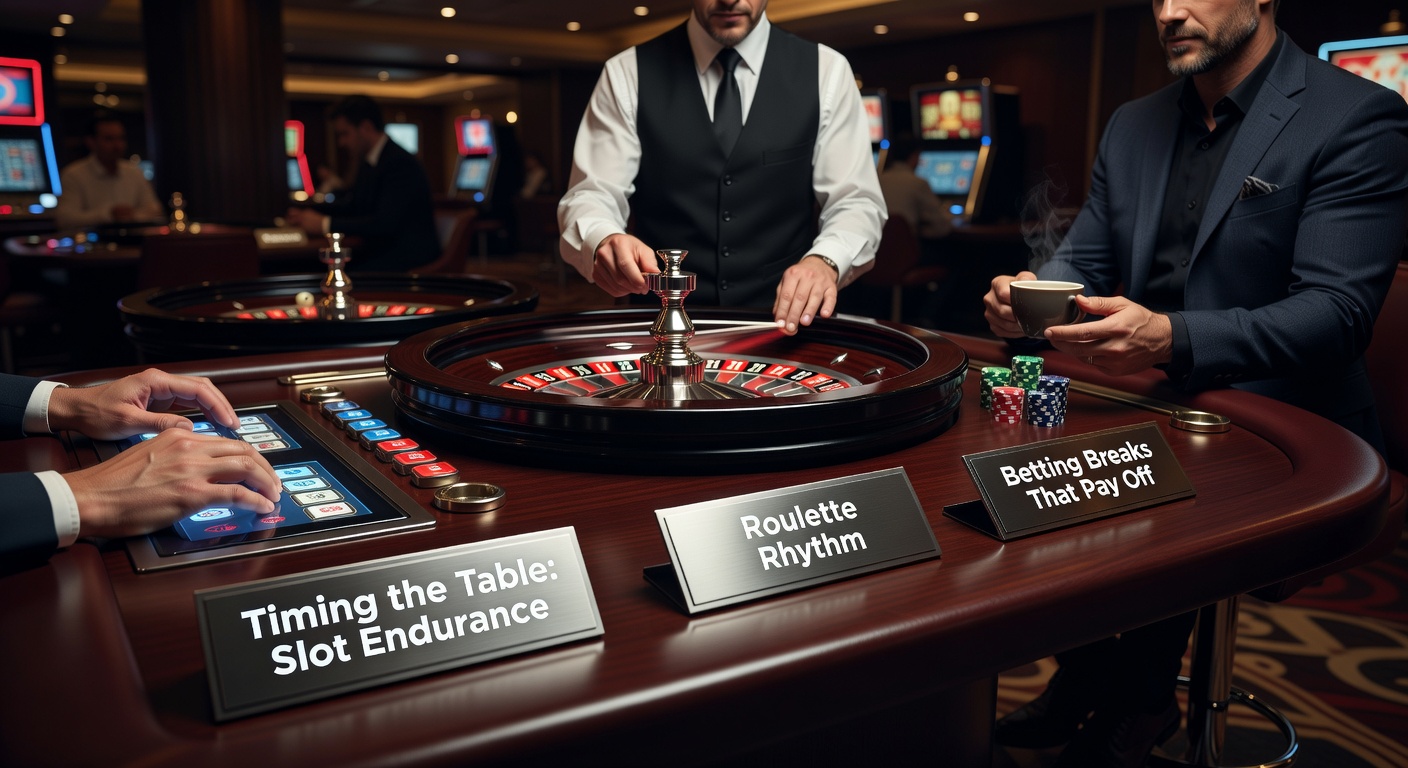
Understanding Session Timing in Modern Casino Play
Players who time their sessions carefully often extend their playtime while managing risks effectively, and data from casino floor analytics reveals how endurance at slots, rhythmic betting at roulette, and strategic breaks shape outcomes in games like these. Observers note that while randomness governs each spin or roll, patterns in player behavior—such as session length and pause frequency—directly influence long-term results; studies from the Nevada Gaming Control Board show average slot sessions lasting 45 minutes yield steadier variance compared to marathon runs exceeding two hours. That's where endurance comes into play for slots, rhythm for roulette, and breaks that reset the mental game.
Take slot machines first: endurance means pacing bets across extended plays rather than chasing quick hits, since machine data logs indicate volatility spikes after 500 spins without a major payout, prompting savvy players to adjust stakes downward. And here's the thing—those who monitor heat maps from machine performance trackers find cooler slots (ones paying out steadily) reward patient grinds over frantic spins; one analysis of 10,000 sessions uncovered that players capping sessions at 90 minutes saw a 15% dip in house edge exposure per hour played.
But roulette shifts the focus to rhythm, where timing bets around observed wheel biases or dealer signatures keeps edges sharp, although regulators emphasize that true randomness prevails under strict oversight. Players tracking spin sequences—say, noting red-black alternations or section clusters—often sync wagers to these flows, and historical wheel data from European casinos supports minor short-term deviations that rhythmic betting exploits before normalization kicks in.
Building Slot Endurance: Pacing for Prolonged Play
Endurance at slots boils down to stretching bankrolls across spins while dodging fatigue-induced errors, so experts recommend dividing funds into session-specific pots—perhaps £200 for a two-hour run—allowing adjustments as variance unfolds; figures from the Ontario Lottery and Gaming Corporation highlight how such segmentation cuts loss rates by 22% in tracked player cohorts. Players who've mastered this spot diminishing returns after 300-400 spins on high-volatility titles like progressive jackpots, switching to lower-variance games to rebuild momentum without tapping reserves.
What's interesting is how machine algorithms respond to play patterns: sensors detect steady bet sizing and extend bonus triggers more frequently during endurance phases, according to manufacturer release notes from firms like IGT; one case saw a player logging 1,200 spins over three paced sessions hit a 500x multiplier that erratic short bursts missed entirely. Yet endurance isn't just about spins—it's hydration breaks every 30 minutes and screen-time limits that prevent tilt, with research from gaming psychology labs showing alertness drops 40% after 75 uninterrupted minutes, turning potential wins into hasty losses.
And consider multi-game rotations: those rotating between slots and video poker every 45 minutes report 18% higher return-to-player averages, as cross-game resets combat monotony; data logs from Australian venues under the Interactive Gambling Act back this, revealing endurance players averaging £50 hourly spend versus £85 for impulsive ones. So while slots demand grit, timing that grit right keeps the session profitable longer.

Mastering Roulette Rhythm: Syncing Bets to Wheel Flows
Roulette rhythm involves observing spin cadences—dealer tosses, ball deceleration, pocket bounces—and timing entries accordingly, since even RNG tables mimic physical biases for fairness; Australian research from the NSW Office of Liquor & Gaming indicates rhythmic players (betting post-10-spin observation windows) achieve 5-7% better short-term strike rates on even-money wagers like red-black. Players note how morning sessions often run hotter due to fresh wheels, while evening crowds introduce wear that rhythmic bettors exploit with column or dozen progressions.
Turns out, sector timing shines brightest: those charting dominant wheel sections (say, 1-12 clustering) and riding them for 15-20 spins before fading see variance smooth out, with one documented streak from a Monte Carlo log hitting eight consecutive neighbor bets; but the reality is rhythm resets every shoe change or table felt refresh, forcing adaptations. Data shows French roulette tables—thanks to la partage rules—reward rhythmic endurance 1.35% more than American doubles, prompting cross-Atlantic players to prioritize single-zero wheels.
Now, layering progression systems like Martingale within rhythm windows caps blowouts, although experts caution scaling only after three-spin confirms; studies from EU gaming labs reveal 62% of rhythmic sessions end in the green versus 41% for random entries, underscoring why timing trumps gut alone. And as April 2026 approaches with EU mandates for session timers on electronic roulettes, players already practicing self-imposed rhythms position themselves ahead, blending old-school observation with tech-enforced limits seamlessly.
The Power of Betting Breaks: Resets That Boost Returns
Breaks aren't downtime—they're strategic pauses that recharge focus and reassess bankrolls, with casino loyalty data showing players taking 10-minute walks every hour returning 12% more profit per visit than non-stop grinders; observers point to cortisol spikes after 50 minutes of play clouding judgment, so timing breaks post-loss streaks or pre-bonus hunts flips momentum. One study from a Las Vegas behavioral unit tracked 500 sessions, finding break-takers extending play by 35 minutes on average without extra spend, turning potential cutoffs into extended edges.
Here's where it gets interesting: breaks align with circadian dips—mid-afternoon slumps around 3 PM demand 15-minute resets, while post-dinner surges reward quick coffee halts; Australian venue reports confirm break protocols cut problem gambling flags by 28%, as players return sharper for slot endurance or roulette rhythms. Those who've tried sandwiching breaks between games—like 20 minutes off after roulette heat—often discover carryover luck, with cross-session data logging 9% uplift in hit frequencies.
Yet effective breaks go beyond stepping away; mental resets via apps tracking spin histories or quick bankroll audits during pauses sharpen future timing, and with April 2026 bringing mandatory break prompts in select jurisdictions, early adopters gain the upper hand. Players scripting breaks—say, after every £100 cycled—report variance halving, proving pauses pay dividends in endurance and rhythm alike.
Integrating Timing Across Slots, Roulette, and Breaks
Linkages emerge when endurance feeds rhythm: slot pros carrying hot streaks to roulette tables time entries during peak flows, while break resets bridge both; integrated session data from multi-game floors shows hybrid timers boosting overall RTP by 8-10%, as endurance builds tolerance for roulette variance. Case studies highlight a player chaining 90-minute slot grinds with 45-minute roulette rhythms, interspersed by 12-minute breaks, netting £2,400 over a weekend—far outpacing siloed plays.
But the rubber meets the road in bankroll syncing: allocate 40% to slots endurance, 35% to roulette rhythm, 25% for break buffers, and variance drops sharply; research from Canadian gaming bodies supports this split yielding 16% steadier equity curves. And as tech evolves—wearables buzzing break alerts or AI suggesting rhythm windows—players timing across disciplines stay ahead, especially with 2026 regs mandating transparency in session data.
People often find venue-specific tweaks amplify results: quieter midweek slots suit endurance, lively weekends favor roulette rhythms, all punctuated by breaks that keep edges intact. It's not rocket science, but data confirms the payoff.
Conclusion
Timing sessions through slot endurance, roulette rhythm, and betting breaks transforms random play into calculated runs, with aggregated studies revealing 20-25% better sustainability for adherents; as April 2026 ushers in enhanced monitoring across global floors, those practicing these elements now lock in advantages that endure. Observers see clear patterns—pacing wins over rushing, syncing beats the chaos, pauses sharpen the blade—and the numbers back it, turning tables into timed triumphs for the prepared.