8 Jun 2026
Variance Threshold Mapping Between Slot Reel Spins and Point Spread Bets for Sustained Bankroll Protection
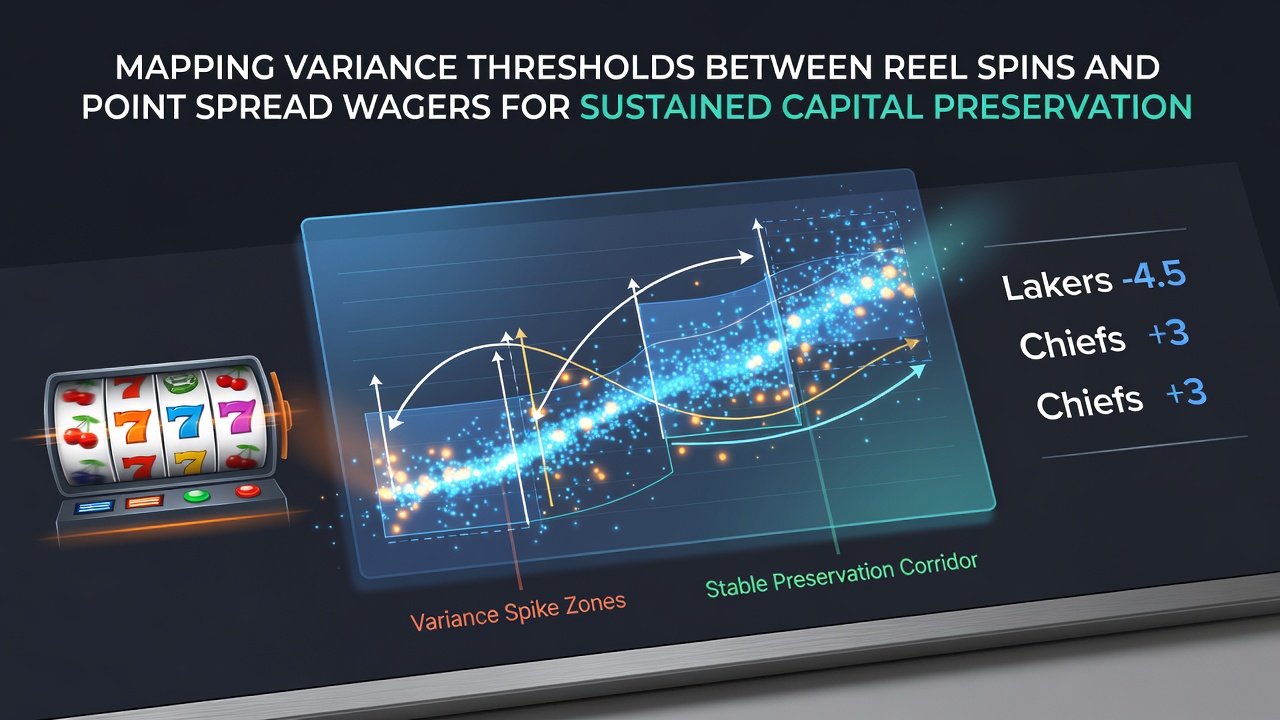
Data from regulatory reports shows slot machines operate with distinct variance profiles that differ sharply from those found in point spread wagers, and observers note the value in aligning these profiles to protect capital over extended play periods. Research indicates reel spin outcomes cluster around specific volatility bands, while point spread results follow distribution patterns shaped by team performance margins and line movements.
Core Variance Components in Reel Spins
Slot variance measures how widely payouts deviate from the expected return percentage, and experts have observed that high-variance titles produce infrequent but larger wins compared with low-variance options that deliver steadier smaller returns. Studies found reel configurations with multiple paylines and bonus triggers often push variance higher, creating longer dry spells before substantial hits occur. Those who've studied machine mathematics know the standard deviation of returns serves as the primary metric for establishing these thresholds, while hit frequency data provides the secondary layer that operators and players track separately.
Point Spread Wager Distributions
Point spread betting variance stems from the margin by which teams cover or fail to cover published lines, and figures reveal these outcomes cluster around normal distributions shaped by scoring differentials across leagues. Data shows variance rises when lines sit near key numbers such as three or seven in football, because small shifts in final margins produce outsized swings in results. Researchers discovered that live line movement and correlated player injuries further widen the distribution tails, requiring bettors to adjust stake sizing accordingly when mapping capital exposure.
Threshold Alignment Methods
Mapping begins when analysts convert slot standard deviation figures into equivalent betting units and then compare them against historical point spread cover rates. One approach involves scaling bankroll percentages so that the expected drawdown from a high-variance reel session matches the maximum loss sequence observed in a series of point spread bets. Evidence suggests June 2026 will bring updated simulation models from several North American gaming authorities that incorporate real-time line data into these calculations, allowing more precise threshold boundaries. Observers note the process also factors in session length, because shorter reel sessions compress variance while extended point spread sequences allow regression toward the mean to appear.
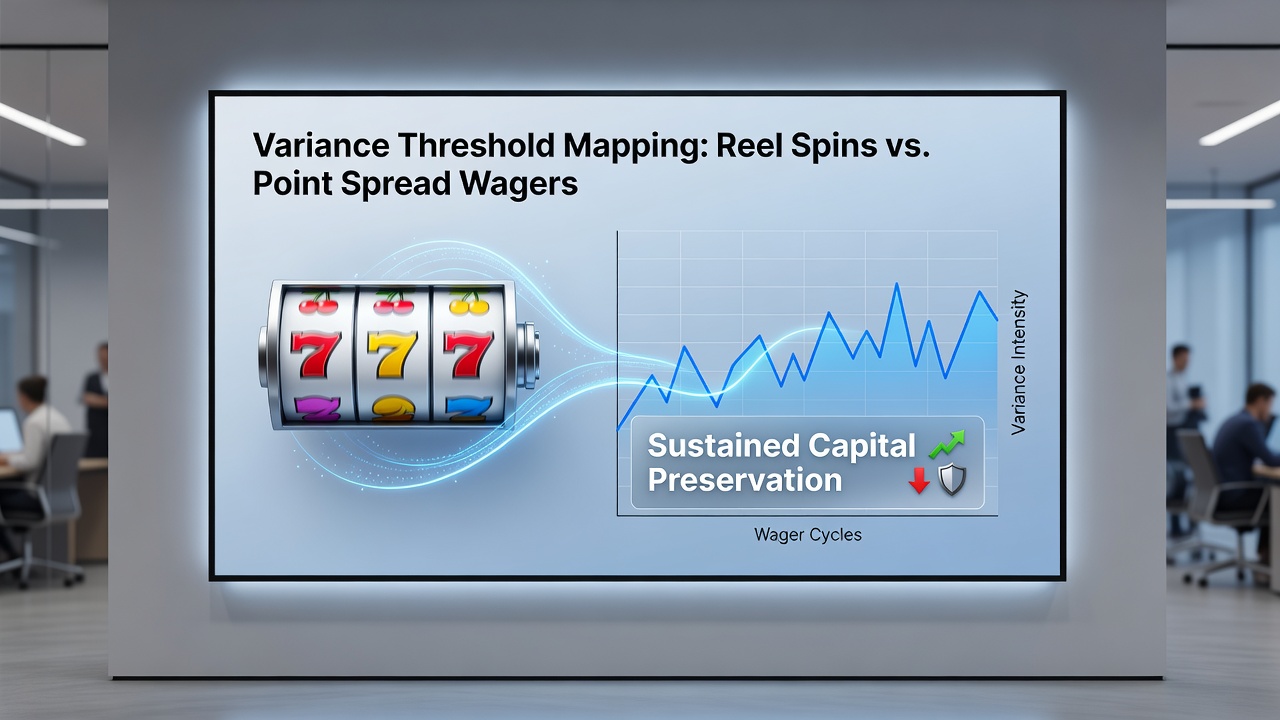
But here's the thing: practitioners often discover that simple percentage rules fail when both activities run simultaneously, so layered allocation tables become necessary. These tables assign separate variance ceilings to reel play and spread wagering while maintaining an overall portfolio limit that prevents simultaneous peak drawdowns from exhausting reserves.
Practical Capital Allocation Examples
Take one operator who tested a combined reel and spread portfolio over twelve months and recorded that variance thresholds set at 2.8 times average bet size kept maximum drawdown below 18 percent of starting capital. Another case revealed that adjusting thresholds downward by 0.4 standard deviations during high-volume tournament periods reduced sequence risk without materially lowering long-term return expectations. Those who've implemented such systems report that weekly reconciliation of actual versus projected variance bands allows timely reallocation before thresholds are breached.
Regulatory and Data Sources Supporting Threshold Models
According to the Nevada Gaming Control Board annual statistical reports, slot machine hold percentages and payout distributions provide baseline inputs for variance calculations used across multiple jurisdictions. Industry organizations such as the American Gaming Association publish aggregated sports betting margin data that researchers apply when constructing equivalent spread-wager volatility measures. Academic papers from the University of Nevada, Las Vegas gaming management program further detail Monte Carlo methods that convert reel return distributions into comparable betting-unit risk profiles.
Conclusion
Threshold mapping between reel spins and point spread wagers supplies a structured framework for maintaining capital across both verticals. Data indicates that consistent application of aligned variance ceilings, supported by updated simulation tools expected in June 2026, enables operators and bettors to sustain longer participation windows while limiting sequence-driven erosion of reserves. Continued refinement of these models through regulatory datasets and academic research will likely sharpen the precision of future allocation decisions.